The Pilgrimage of Grace
Chapter 1: Introduction
The Pilgrimage of Grace was the most substantial uprising that ever confronted the Tudor throne. It had the support of tens of thousands of the common people and a significant number of gentry and lesser nobles of the area of England north of the River Trent, an area always talked of as the "North".
Perhaps most of all it was a struggle between the centralising, all-powerful Tudor monarchy and the last remnants of feudalism.
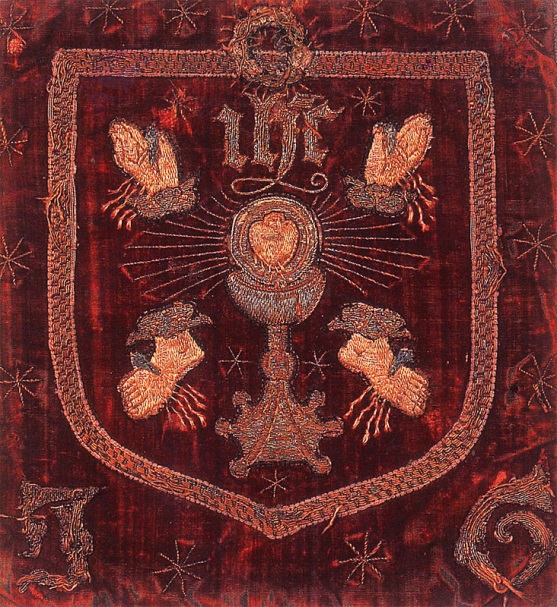
The unfolding of events is rather complex, so we have included a timeline here, to complement the narrative below.
Strictly speaking, there were three separate uprisings in the period from October 1536 to Spring 1537. The first in Lincolnshire, termed the Lincolnshire Rising, the second in Yorkshire, termed the Pilgrimage of Grace, and a third in Westmoreland, referred to as Bigod's Rebellion. Although they were separate events, with different triggers and outcomes, they are generally considered as a whole, and that is how they are considered here.
Academics are divided on the fundamental causes of unrest, citing religion, economics, politics and court conspiracies. It seems reasonable to suppose that a combination of these factors influenced individuals and localities differently.
The unfolding of events is rather complex, so we have included a timeline here, to complement the narrative below.