PERSON OF THE MONTH
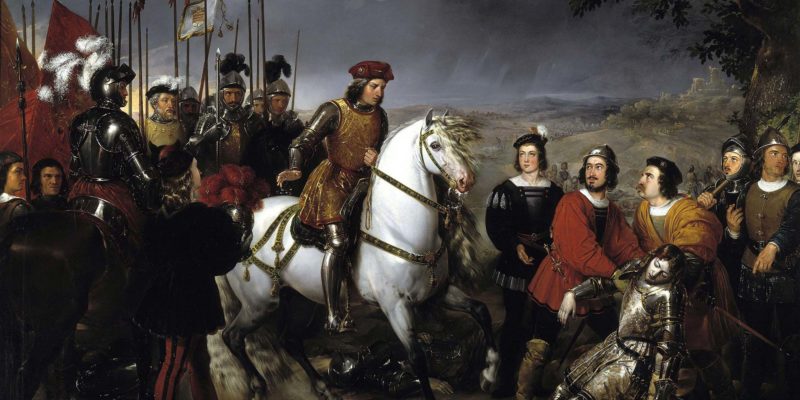
Katherine Parr

Queen of England from 1543 until 1547, the last of the six wives of King Henry VIII.

View feature
  • On This Day 6th March 1536

    On 6th March 1536 the first bill was introduced into the English Parliament to dissolve the monasteries. Initially, only smaller houses were affected, where the annual income was less than £200 p.a. or where there were insufficient monks or nuns to form the minimum community required by the Monastic Rule.The act followed the eighteen month survey of monastic wealth and practice, commissioned in 1534, and known as Valor Ecclesiasticus. Although the suppression of the monasteries can be over-emphasised as the cause of the rebellion that year, known as the Pilgrimage of Grace, it was one of the contributing factors.

    Picture of the Valor Ecclesiasticus

  • On This Day 5th March 1496

    On 5th March 1496 Henry VII gave full licence to the Cabots – Giovanni (better known as John), and his sons Ludovico, Sebastiano and Sancio - to sail to all ports of the eastern, western and northern seas to claim lands on behalf of the English Crown. Cabot, born in Genoa, had travelled extensively in the Mediterranean in his youth, before moving to Bristol, in England. Following Columbus’ discovery of the Americas for Spain in 1492, whilst searching for a western passage to the Indies, Cabot became convinced that a more northerly route would achieve the goal of a faster route to the east than the traditional one around the tip of Africa.

    Cabot set sail in early May 1496 in the ‘Matthew’, 50 tons, with 18 crew. After around 50 days of sailing he landed somewhere on the north American coast – possibly Newfoundland, Nova Scotia or Maine, claiming it for England. Not choosing to hang about, Cabot and his men arrived back in England on 6th August, and was granted a pension of £20 by the King, as well as sponsorship for a new voyage in 1498, from which he never returned.

  • On This Day 4th March 1522

    On 4th March 1522, which was Shrove Tuesday, Cardinal Wolsey entertained the King and Court at his palace at York Place. This was part of a series of entertainments given for the Imperial Ambassadors: jousting, banquets, plays and masques. The masque held on the 4th, which was performed by the ladies and gentlemen of the court, featured a fortress, the Chateau Verte, which contained eight beautiful ladies, named Kindness, Beauty, Perseverance, Bounty, Mercy, Pity, Constancy and Honour.

    The ladies were held prisoner by another seven, with less attractive characteristics – Danger, Disdain, Jealousy, Unkindness, Scorn, Strangeness and Malbouche (Sharp-Tongue). It was the role of the gentlemen to rescue the fair ones. Unsurprisingly, as the heroes were led by the King himself, they were successful. This was the first recorded appearance of Anne Boleyn at the English court playing the part of Perseverance.


New Non-fiction Books

New Fiction Books


What's on

Tudor Times Shop

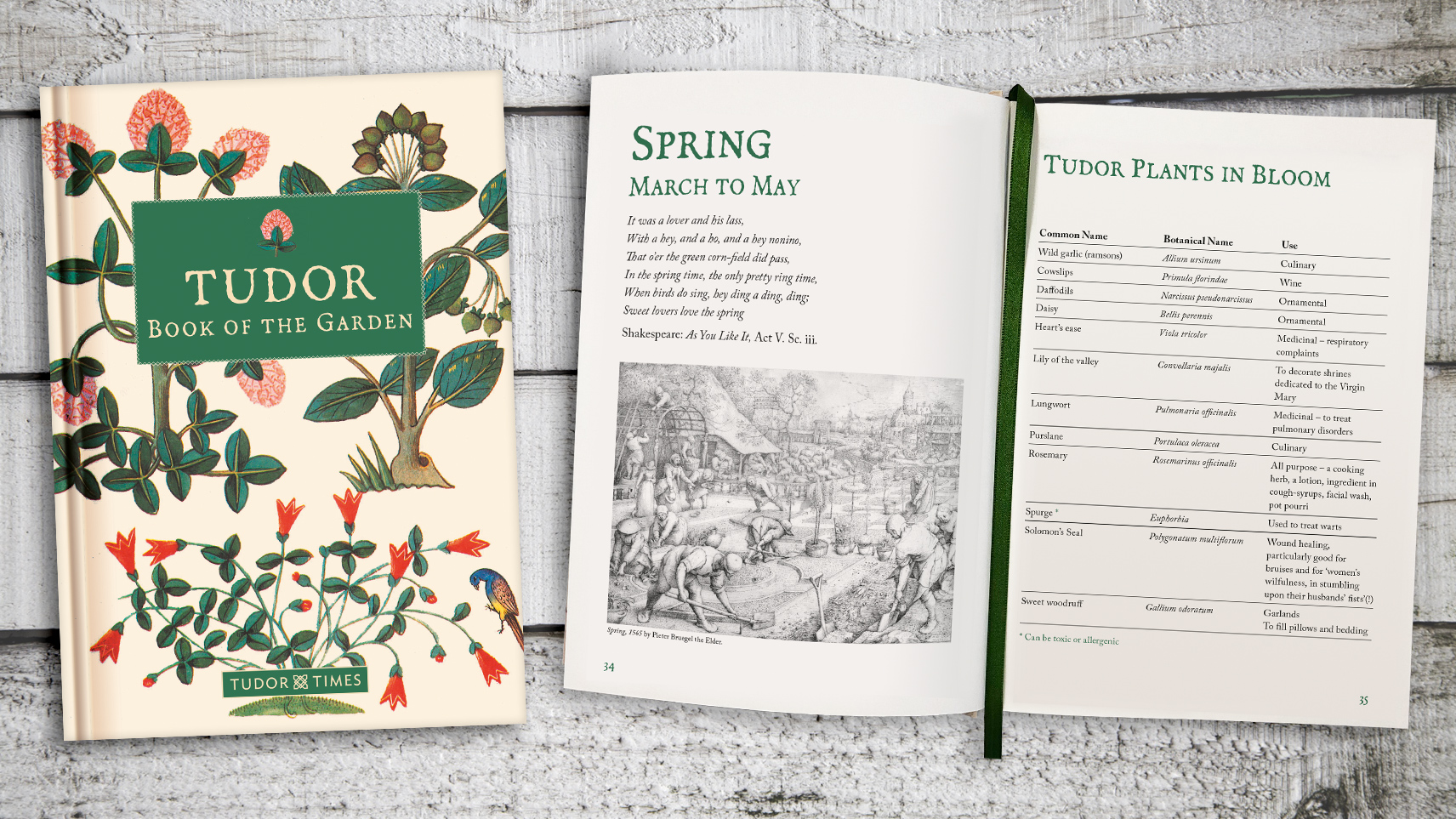
Modern journal with Tudor garden information

View Now
Get regular updates
Register your details to get regular updates