Ferdinando Stanley, Earl of Derby
by Isolde Martyn
Villain or Victim?
Chapter 1: Who was Ferdinando Stanley?
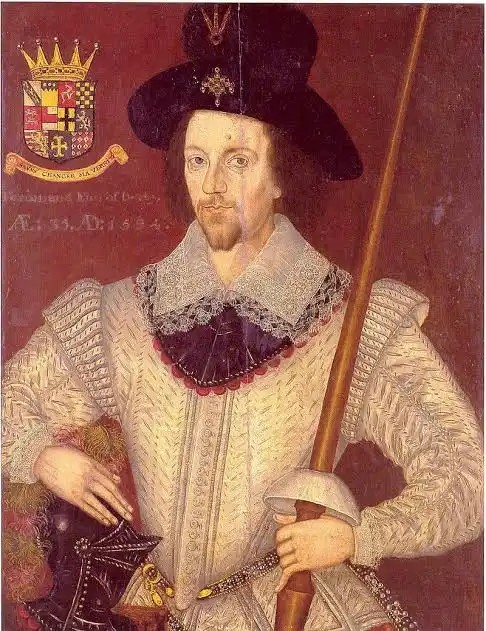
In September 1593, Shakespeare’s patron, Ferdinando Stanley, Lord Strange, a courtier in his mid-thirties, succeeded his father as earl of Derby and was offered the opportunity to become the next king of England provided he turned Catholic. A few months later he was dead. One contemporary, the antiquarian, John Stow, was so fascinated by the bizarre circumstances - curses, black magic and possibly poison - that he devoted several pages in his Annales of England to the noble lord’s death. With journalistic zeal, he interviewed one of the earl’s physicians and it was almost a case of ‘too much information’. He set down every detail with relish and commented that the young earl’s sudden death ‘caused many learned men to suppose him to be bewitched.’ Easy to believe in late Elizabethan England! Was it witchcraft, murder or a natural illness? Did anyone wish him dead? Going below the glittering veneer of Elizabeth I’s court revealed a few suspects.
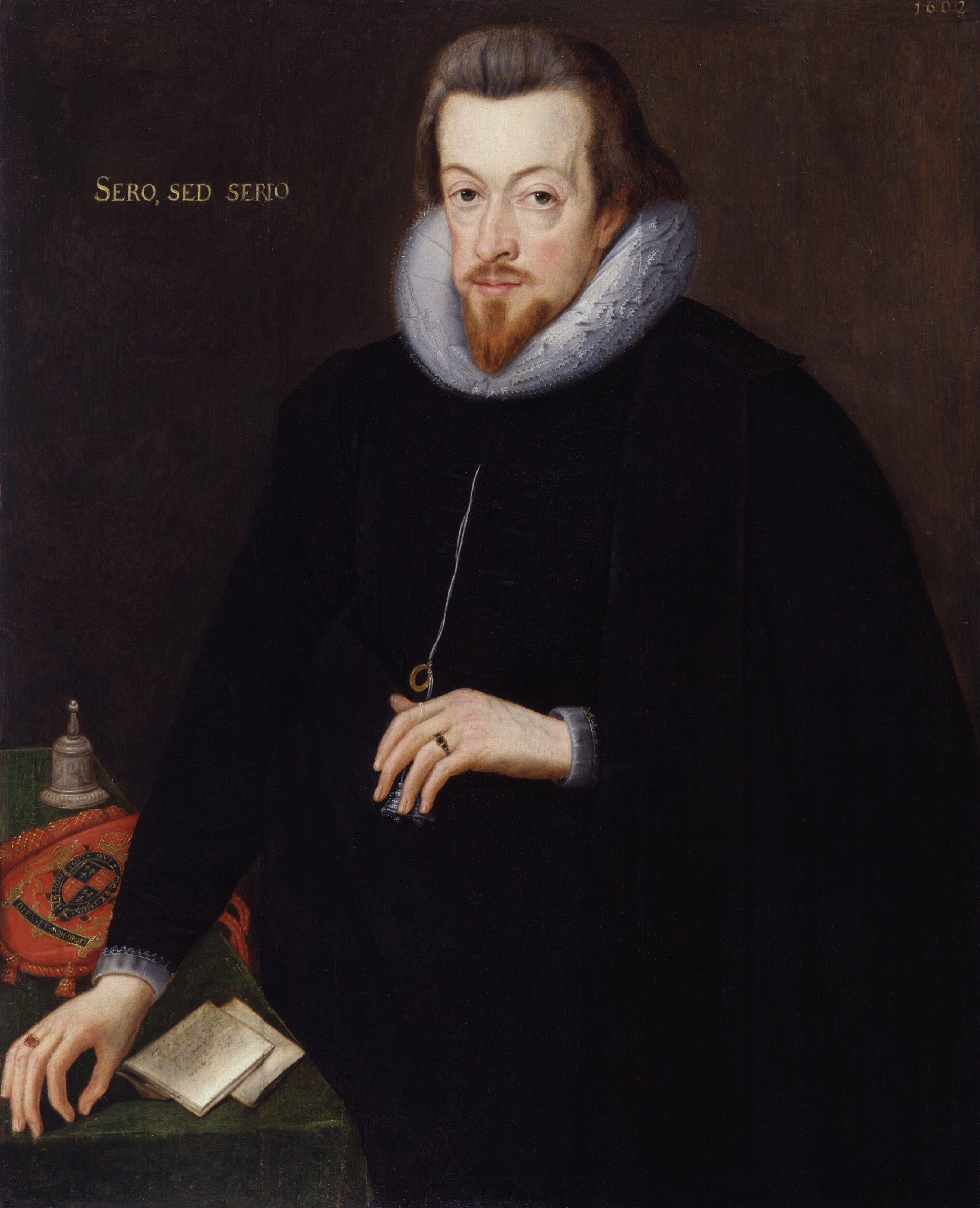
England in the early 1590s was seeing a change of guard at court. The Queen’s favourite, the Earl of Leicester, and her security adviser, Sir Francis Walsingham, had both died, and Lord Burghley, her powerful chief minister, was becoming visibly frail. The rising influences in the Queen’s circle were the Earl of Essex, replacing Leicester, and Burghley’s hump-backed son, Sir Robert Cecil, hoping to succeed his father. These two young men vied in their ambition to become indispensable to the queen. Cecil also took over Walsingham’s mantle, making use of the experienced spymaster William Waad and a wide web of agents. Essex, also, had a network of informants.
Cecil was hugely concerned about what would happen when Elizabeth I died. The queen was in her early sixties, childless, and had not named a successor. He was determined to be top minister to her successor and that person had to be a Protestant. The worst possibility was a Catholic king. He did not want a repeat of a monarch like Mary I who had ordered Protestants to be burnt at the stake. Both Sir Robert and his father needed to avoid being first in that particular queue. While the execution of Mary, Queen of Scots, in 1587 must have been a relief to them, removing her failed to staunch attempts to return England to the old religion. Not only did King Phillip II of Spain send a massive fleet to invade England in 1588 but when that failed, he kept funding an alternative armada - a flood of priests and activists.
Cecil needed to have any potential candidate for the succession under surveillance in case he or she agreed to become the new Catholic leader. By 1591, he had intercepted a Papist priest’s letter that referred to Ferdinando by the code name ‘the baker’. Cecil or one of his clerks wrote in the margin ‘by baker and bakehouse is understood my lord Stra[nge] and the title they would have him pretend when her Majesty dieth’.
So, was Shakespeare’s patron actually a threat? Well, Ferdinando was an archetypal Elizabethan courtier, one of the gallants who surrounded the capricious ageing queen. He loved the theatre, had his own players, was the patron of Spenser, Marlowe, and Shakespeare and, like Sir Walter Raleigh, even authored the odd poem or two. He also belonged to the School of the Night, an exclusive, intellectual clique. As for religion, he seemed to have been very open-minded and employed both Protestants and Catholics. An account book of his father’s household shows he regularly visited the Stanley estates at Lathom and Knowsley in Lancashire with his wife and three daughters. Alice Spencer, his wife, was the sister-in-law of George Carey, second cousin of the queen.
However, the Stanley lineage had a reputation for changing sides. By supporting York against Lancaster, Lord Thomas Stanley became privy councillor to King Edward IV and Steward of the Royal Household. Thomas also chose his wives judiciously. His first wife was sister to Warwick the Kingmaker, his second was Lady Margaret Beaufort, mother of the future Henry VII. Together with his brother, William, he changed sides at the Battle of Bosworth, ensuring a victory for Henry Tudor. Thomas was rewarded with the earldom of Derby. William, however, was executed as a traitor some years later for changing sides again and supporting Perkin Warbeck.
Although Ferdinando was heir to the earldom of Derby, it was his maternal lineage that really made him a person of interest to Cecil. Ferdinando’s mother, Lady Margaret Clifford, was the queen’s cousin. She was descended from Princess Mary, Henry VIII’s sister, and according to the will of Henry VIII, Mary’s line had precedence to the throne after King Henry’s children.
Margaret had four sons. The first two died in late childhood, and this left Ferdinando and his younger brother, Willliam, with possible claims. As far as is known, until this time neither showed particular interest, nor did their father fuel any ambitions on Margaret’s part. The pair were estranged. She lived in London, whereas he enjoyed the company of a mistress and illegitimate family in Lancashire.
It was not just because of Ferdinando’s birthright that Burghley and Cecil thought he needed watching, there was also another member of the Stanley family, a cousin, whose outrageous behaviour put the Tudor secret service on alert.