Ferdinando Stanley, Earl of Derby
Villain or Victim?
Chapter 2 : The Plot
The man of particular embarrassment to the Stanleys was a military hero, Captain Sir William Stanley. Sir William was highly respected for his military achievements in Ireland but it was while he was serving in the army of the Earl of Leicester in the Spanish Netherlands in 1587 that he showed his true colours. His force captured the garrison of the town of Deventer and a delighted Leicester made him Governor of Deventer. Then, to Leicester’s shock, William declared that he and his force of mainly Irishman were changing sides and he was now holding the town for King Phillip of Spain. Why did William turn traitor? Maybe he was bitter at not being rewarded sufficiently for his accomplishments in Ireland and perhaps considered himself passed over because of his religious beliefs. Or perhaps his action was spurred by the news that the day before, a fellow officer named Yorke had captured the town of Zutphen and then declared for Spain.
The news of Deventer swiftly crossed the Channel and sullied the House of Derby. To make matters worse, Sir William, supported by Spanish gold, started running an army that welcomed dissident English and Irishmen. In 1588 he was eager to lead a substantial invasion army across the Channel to coincide with the Armada. He also began to send agents to England that these days would be called ‘terrorists’. One of them eventually would become famous, known to history as Guy Fawkes. An intercepted letter advised the recipient:
To keep an eye on Lord Strange, as on who, if the Spaniards could not prevail, might be made king by the catholics unanimously….
By Autumn 1593 the perfect storm for Ferdinando was on now on the horizon; his cousin’s continued scheming, the death of his father, the southern perception that distant Lancashire was a backwater that had never taken to religious reform and his Tudor bloodline.
The new earl needed to be careful, very, very careful.
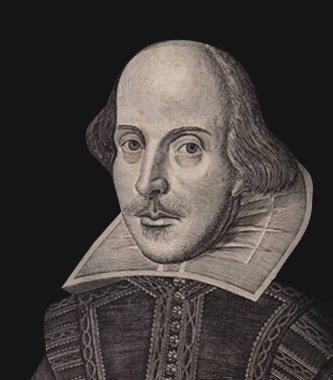
What Ferdinando did to redeem the family’s reputation was to commission Shakespeare to write Richard III. It contained a final crucial scene after the Battle of Bosworth when the victorious Henry Tudor says to Lord Stanley:
‘God and your arms be praised...the day is ours.’
What’s more, Shakespeare has Lord Thomas Stanley present the crown, which has rolled off the slain Richard III’s helm, to Henry:
From the dead temples of this bloody wretch
Have I plucked off, to grace thy brows withal;
Wear it, enjoy it, and make much of it.
In other words, a mighty hint that the Tudor dynasty owed its crown to the actions of the Stanleys. It was their troops that closed in behind Richard III’s brave charge to slay Henry Tudor.
The other message that would not have been lost on the audiences at the theatre was that hunchbacked Gloucester could be likened to the Queen’s humped ‘pygmy’, Sir Robert Cecil. Whether that was fully intended is only conjecture, but it would not have gone down well at Burghley House.
It is likely that Elizabeth was not impressed because when he became earl, she withheld offices that he had held as Lord Strange, lucrative positions that were usually held by the earl or his heir. He was not welcome at court and plague closed the theatres down.
William Stanley sent over an offer to Ferdinando immediately he became an earl. The messenger was a man that Ferdinando would have known -- Richard Hesketh of Aughton. A list of Hesketh’s instructions have survived in the Cecil Papers. Basically, if the new earl agreed to turn Catholic, he’d be put top of the list as a claimant to the throne.
Signify unto him in general you have a message of importance to import unto his lordship, from special friends of his, which you have sworn to do with all fidelity and secresy[sic], and therefore you desire his leave to utter it, and withal his promise of security to yourself, that at least you incur no danger for your travail and good will, but if he list not to like to hearken to it, get you away safely whence you came, and for his safety also you shall swear, and the same assure him, also for those who sent you, who wish all good to him.
According to the later testimony of Hesketh’s brother, Ferdinando did consent to receive Hesketh, though not at Lathom, but at the village of Brewerton Green.
Knowing how this might be construed by his enemies, the new earl turned Hesketh over to the authorities a week later.