Ferdinando Stanley, Earl of Derby
Villain or Victim?
Chapter 3 : The Death of Ferdinando
When Whitehall requested Ferdinando to hand over the father and sons of William Stanley to be hostages, he wrote back to Cecil:
I have sent you a horse … which I pray you receive as a remembrance of his love that holds you in right dear account. Stanley, that is beyond the sea, hath two sons, men like to prove well, by reason of their grandfather's care in bringing them up. They have been my servants long since, and yet in respect of this late action of their father's, I have forbid them for a time….. They are of my name, and may, and, I imagine, by following me shall, be no less able made to do Her Majesty all service. Yet I desire your opinion, for I would not offend Her Highness by keeping any. Their grandfather, whose old years the son's action hath brought near to an end, takes his only joy in them and in doing Her Majesty all service, which in the shire he dwells he doth very effectually perform.
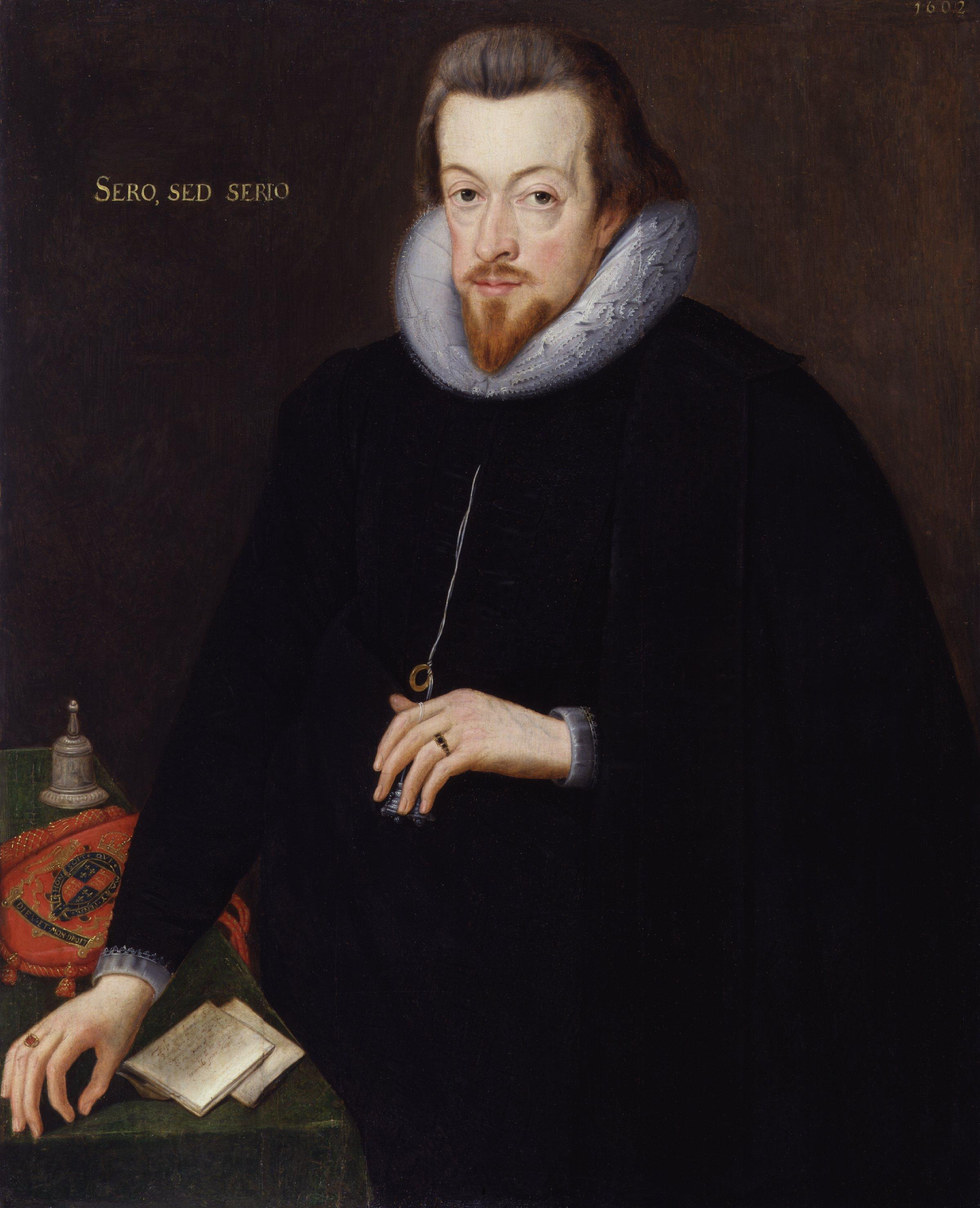
Waiting a week to hand over Hesketh rather hinted that the new earl might have been tempted. It did not look good. Although there was a later rumour that Hesketh had threatened Ferdinando with death if he didn’t agree to the offer, there is nothing to suggest that in the instructions. Maybe it was a misinterpreted verbal warning that he would be killed by his enemies at court and he needed to side with the Catholics to prevent this.
Hesketh was taken to London, interrogated and given a horrible death at St Albans. He died cursing Sir William – and probably Ferdinando.
Unwelcome at court, Ferdinando spent the winter at Lathom. He wrote several times asking Cecil and his father to get him back into the queen’s favour. Then, in April, according to John Stow, just after Easter, an old woman waylaid the earl claiming she had a message from God for him if he would give her a house close by. He refused her petition ‘as vain’ and she was handed over to the local magistrate to determine if she was a witch.
Ferdinando decided that he would hunt for a couple of weeks, not at nearby New Park but down at Knowsley, where several days later he had a dream that his countess was close to death. It was so vivid that he needed to be reassured. At 5pm on 5 April, he saw a man’s ghost. Golborne, his secretary who was with him, said he saw nothing. The earl also dreamed he was being stabbed many times. When he became physically ill, his attendants took him back to Lathom. He already had three medical men in residence: Canon, Joyner, and Bate. They declared his illness must be due to a surfeit of exercise. When he failed to recover, his countess sent to Cheshire for Dr John Case, an academic, mentor and friend of Ferdinando’s. She also summoned a local wise woman.
John Stow gives us a detailed account of Ferdinando’s illness: vomits, stools, enemas, poultices, catheters, unicorn horns, bezoars and infusions of rhubarb and manna. A black magic wax image with his beard hair stuck on it was found beneath his bed by his secretary and half-brother, Halsall, who threw it on the fire – hardly a tactful means of disposal! Two days later, the woman healer arrived and tried to take his illness onto herself and for a while he seemed to relax but then he could not urinate. The doctors sent her away.
On 11 February, his wife wrote to Sir Robert Cecil in great distress:
Bear with me to use a secretary, for my senses are overcome with sorrow. It hath pleased God to visit my lord with sickness, that there is little hope of recovery except in His mercy, and therefore must entreat your favour and assistance, both of yourself and to my lord your father, in the behalf of me and my poor children, and that as you were dear unto my lord in love and friendship, so you would be pleased to continue it for the furtherance of me and mine in the justice of our causes.—Lathom, 11 April, 1594.
Ferdinando was suffering physically and mentally. The pain was so intense that he told Dr Case he just wanted to be in the arms of Christ Jesus his Saviour. He begged for his life to be ended though he knew his doctors could not do that. He cried out against witches and witchcraft and on 16 April, he died believing he had been cursed.